

What Bathrooms Are Not Good Candidates for Reglazing?
If you are considering a bathtub refinishing project, you want to work with a company that will be honest enough to say that not every bathroom is a good candidate for the reglazing process. If there are problems affecting the walls or the tub – or if there is some other kind of issue – a new coating will only look good for a short time. It won’t be long until it starts to crack, peel or bubble.
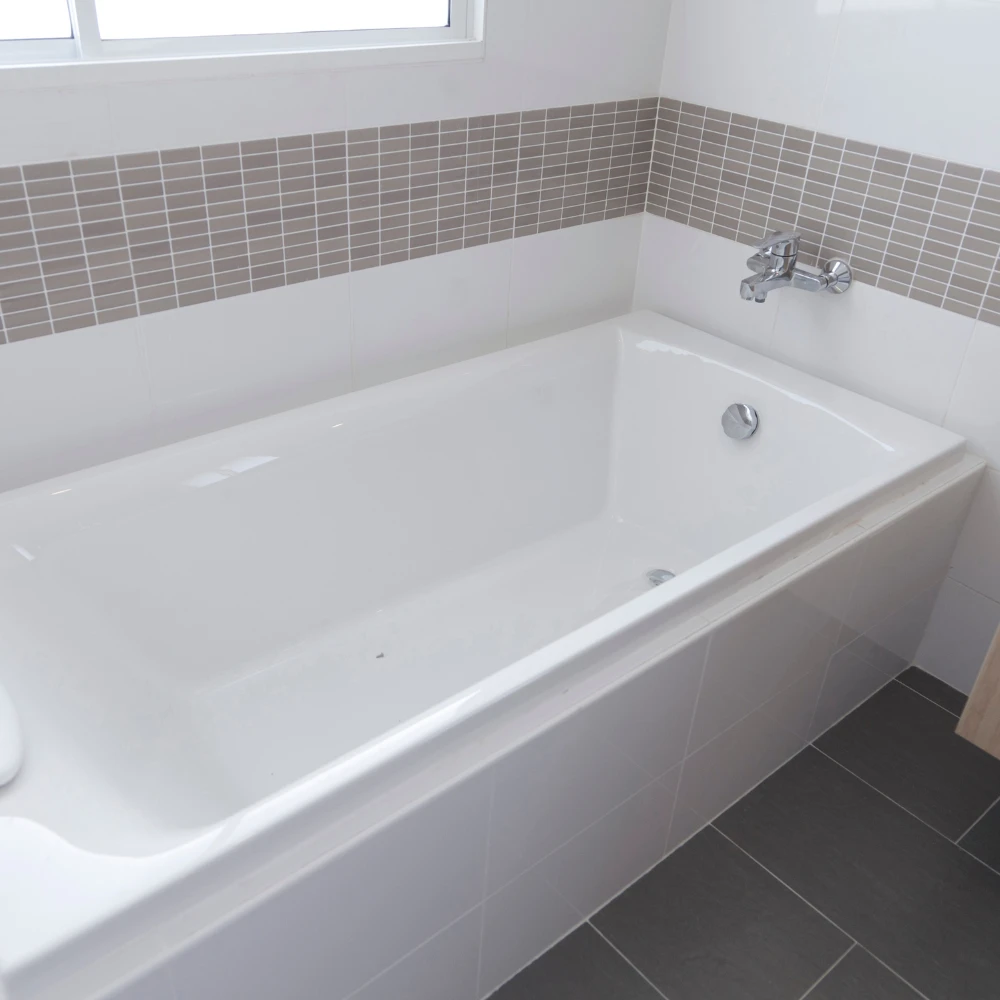 The following is a look at situations where neither bathtub refinishing nor tile painting is a good idea. If any of these apply to your bathroom, you should consider talking to a professional about other alternatives.
When the Problem Is Not Surface Wear But Structural Issues
Some people think that reglazing is meant to help rebuild a tub, but the purpose is to restore that tub’s finish. If there is some sort of underlying problem with the fixture, then reglazing would be similar to putting a fresh coat of paint on a wall that’s about to collapse.
We see a lot of red flags in New Jersey homes that indicate structural issues. Some of them include:
A tub that gives a little when you step in. This is more common in older fiberglass tubs, or ones that don’t have proper support. When this flex is present, a cured coating won’t be able to move with it. You’ll see peeling and hairline cracks much earlier than you expect as a result.
A crack that reappears, has a raised feel, or spreads is another warning sign. Trustworthy bathtub refinishing companies will tell you up front that most cracks won’t disappear just because they’re reglazed. A coating won’t make the body of the tub stronger.
Drain, overflow, or other leaks. These must be addressed first before any sort of bathtub refinishing or tile painting project. The reason is that any new coatings will quickly fail if water keeps seeping into places it shouldn’t go.
Rust Spots That Continue to Grow
Rust isn’t just ugly. In most cases, it means reglazing will be a waste of time and money. There are some instances where a professional can address surface rust spots, but deep rust is typically a disqualifier. This is especially the case for an older steel or cast-iron tub that has had significant rust for a long time.
Think about rust somewhat like a tooth cavity. Once it starts, it spreads from the inside. If the corrosion is so severe that it’s eating into the metal, reglazing is out of the question. The surface may look fine after a sanding, but the underlying material remains weak. The oxidation process will continue, eventually pushing up under whatever coating is applied. This will lead to peeling, bubbling, or the development of pinholes.
Rust that returns quickly after cleaning, appears as a wide ring around the drain/overflow, or has pitting you can feel with your finger, means that bathtub refinishing isn’t a good idea. You’ll be much better off with either a more involved repair or a tub replacement.
Too Many Old Coatings
A lot of properties in New Jersey – especially rentals that were built between the 1950s and 1970s – have a problem with layering. We see tubs that have been coated over and over again (sometimes using a DIY approach rather than calling a professional). These layers of coating can consist of different products, and these products may have different hardness levels and bonding abilities.
As the years go by and these coatings accumulate, you get a sort of “bathtub lasagna.” The layers look fine, but when one of the weak layers gives way, everything above it also fails. A bathtub refinishing project needs a stable, properly prepared base. Without it, there’s no way the project will last.
Take a look at your bathtub and you will probably be able to tell if you have a lasagna problem. If there are edges where the coating has lifted, or there’s a thick paint line near the drain or corners, you can assume adhesion is compromised.
Bathrooms With Chronic Moisture Problems
Without being reasonably dry day after day, a reglazed surface won’t be able to stand up. We see a lot of bathrooms without windows or are rarely used. Others aren’t vented correctly. As a result, the room is often damp, with sweating walls and a tub that never truly dries out.
If your bathroom seems to always be damp, that can lead to mold and mildew growth behind tile and caulk lines. Not only can this be a health issue, it can also require near constant cleanup that can ruin a finish. Another problem is that dampness makes it very hard for coatings to perform as they should. If you see bubbling or peeling, those are classic signs moisture is going where it shouldn’t go.
Bathrooms trap vapors and moisture; that same “trapped air” reality is also why poor ventilation and dampness correlate with weaker long-term outcomes for coatings. If your mirror stays fogged for a long time after showers, paint peels elsewhere in the room, or mildew returns fast even after cleaning, solve the ventilation/moisture issue before you consider bathtub refinishing.
Tile That Moves, Sounds Hollow, or Has Water Behind It
A lot of people want to update their bathroom with tile painting at the same time as the tub. Sometimes that works. But other times it’s the fastest way to trap an existing problem.
Tile is part of a wall system – not just a decorative part of a bathroom. If tile is loose, grout is crumbling, or the wall sounds hollow when tapped, moisture may already be behind it. Coatings don’t fix the wall behind the tile. They can also make future repairs harder because the surface is sealed and uniform until something fails.
If you’re considering tile painting, a repair or replacement is usually the more durable investment if you notice any of the following:
- Loose or shifting tiles.
- Cracked tiles in wet areas.
- Swelling or softness in the wallboard around plumbing.
We Will Protect Your Budget, Not Recommend a Bathtub Refinishing Project That’s Doomed to Fail
We do not believe in pushing bathtub refinishing in bathrooms where the odds are stacked against it. A coating is only as durable as what it bonds to, and it can’t out-perform a tub that is moving, rusting from within, or living in a chronically wet room.
The best outcome is not “the quickest refresh.” It’s spending once, choosing the right solution, and getting a result that holds up. Sometimes, the most professional recommendation is a clear “no” – because that’s how you avoid short-lived results and wasted money.