

Bathroom Tile Painting NJ That Lasts: Fix the Causes, Not Just the Color
You pull the curtain, and your eye goes straight to the trouble spots. A dull halo around the soap dish. Dark grout where the wall meets the tub. That faint sweet odor you only notice when the door stayed closed overnight. None of this means tile painting is a bad idea. It means the room is telling you exactly what will make paint fail if those signals are ignored.
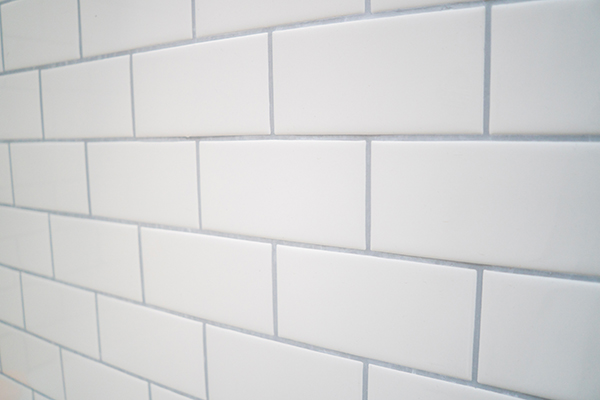 We paint bathroom tile because a clean, bright wall changes how the space feels. The work lasts when the conditions around the tile favor a coating rather than fight it. Our approach may sound simple, but it requires discipline to execute: diagnose first, then apply the coating.
1) Moisture Decides Everything
You step out of a hot shower, and the mirror stays fogged long after you are dressed. Grout looks darker in the corners than in the field. The soap dish sweats. Those details matter because coatings are thin films that need a dry, stable base to bond. When warm, wet air hits cooler tile, condensation collects in the microtexture of glaze and grout, then lingers. Add daily heat and shampoos, and you get two outcomes that defeat paint: mildew feeding on residue at the surface and slow moisture moving through cement-based joints from behind.
If moisture wins, paint lifts at the weakest points first. That usually means inside corners, along the tub-to-tile joint, and around penetrations, such as the shower arm. A bathroom that dries quickly after use gives tile paint a fair fight. One that stays damp turns every day into another stress cycle.
What moisture problems look like in the real world
- A mirror that is still fogged 20 minutes after the water is off
- Grout that stays visibly darker hours after a shower
- A musty sweetness when you open the door in the morning
2) Efflorescence: The White Crust that Keeps Coming Back
That chalky film creeping out of grout lines is not cleaning residue. It is efflorescence. Water moves through cement-based materials, picks up salts, reaches the surface, then leaves those salts behind as the water evaporates. Paint does not stop that conveyor belt. If we coat over active efflorescence, salts continue to migrate and can create blisters, lifting, or cloudy patches under the new finish.
The fix is not a stronger cleaner. It breaks the water route and removes what is already on the surface, so nothing remains active. A quick diagnostic is the return pattern. If the white bloom reforms in the same spots after you scrubbed it away, the substrate is still transporting moisture. Painting, then, is not protective. It is a way to trap the problem where you cannot reach it.
3) Silicone is Why Paint Craters and Refuses to Wet
Silicone sealant is excellent at staying flexible and waterproof. It is also not paintable, and it leaves a low-energy residue that behaves like invisible oil. That residue causes fisheyes and craters in new coatings, even after the bead itself is removed. We most commonly find it at the tub-to-tile joint, in inside corners, and around fixtures that have been resealed over the years.
A simple field check tells the story. Rinse a cleaned section of wall. If water beads tightly and refuses to sheet where you expected a clean flow, silicone residue is likely still present. Until that film is eliminated, paint will skip, separate, and fail to bond, regardless of the quality of the product.
Where silicone hides more often than people expect: under a thin smear left from a past caulk job, inside a hairline at the soap dish, or buried under a newer, “paintable” bead that was applied over old pure silicone. The top layer looks friendly to paint. The layer below is not.
4) Movement Cracks Paint, Not Because the Paint is Weak, But Because the Joint is Wrong
Tile is rigid. Walls flex. Corners, perimeters, and any change in plane require room to move without transferring stress to a coating. Grout is not a movement joint. When a shower expands and contracts with temperature, a painted corner without a proper elastomeric seal will exhibit hairline cracks and edge lifting, even though the rest of the wall appears flawless.
The right detail is plain once you know what to look for. The inside corner is clean, the joint is continuous, and the bead is sized to move. That joint protects paint the way a shock absorber protects a frame. If the corner is hard-packed with grout or a brittle caulk, the coating will telegraph that mistake as soon as the shower sees regular use.
5) Glossy Tile is a Low-Energy Surface; Adhesion is Earned, Not Assumed
Glazed ceramic is built to shed stains. That same chemistry makes it a difficult substrate for paint. Reliable adhesion is the result of three factors working together: a degreased and descaled surface that allows the coating to wet, a controlled profile that enables the film to grip, and a primer system that matches the chemistry of the slick tile.
Skip any one of those, and failure shows up fast. Degrease lightly, and the new film wets in some areas and beads in others. Leave mineral film from hard water, and you are painting over scale, not over tile. Sand randomly, and you create glossy islands that release under steam. A real system removes the invisible films that can only be felt with your fingertips, then creates a uniform profile that the coating can lock into. On porcelain or glass tile, the margin for error is even smaller, which is why test patches are crucial.
Let Us Bring Your NJ Bathroom Back to Life
Bathroom tile painting in New Jersey fails for predictable reasons: lingering moisture, migrating salts, silicone residue, rigid corners, and slick tile with no profile. When those are fixed first, paint stops acting like a bandage and starts behaving like a durable finish that fits daily steam, soap, and scrubbing. That is the point of hiring a specialist: diagnose the bathroom you have, correct the specific causes, and then coat so the film bonds, cures, and stays clean. If your walls show the tells above, tile painting is usually the most direct path to a bright, cohesive shower without demolition. Handle the causes, then color, and you get a wall that looks fresh long after you stop noticing it.