

Does Tile Painting Prevent Mold and Mildew in Bathrooms?
A bathroom can look clean yet still smell foul. That usually means the problem isn’t the surface; it’s moisture that has already worked its way into grout lines, behind caulk, or into the wall assembly itself.
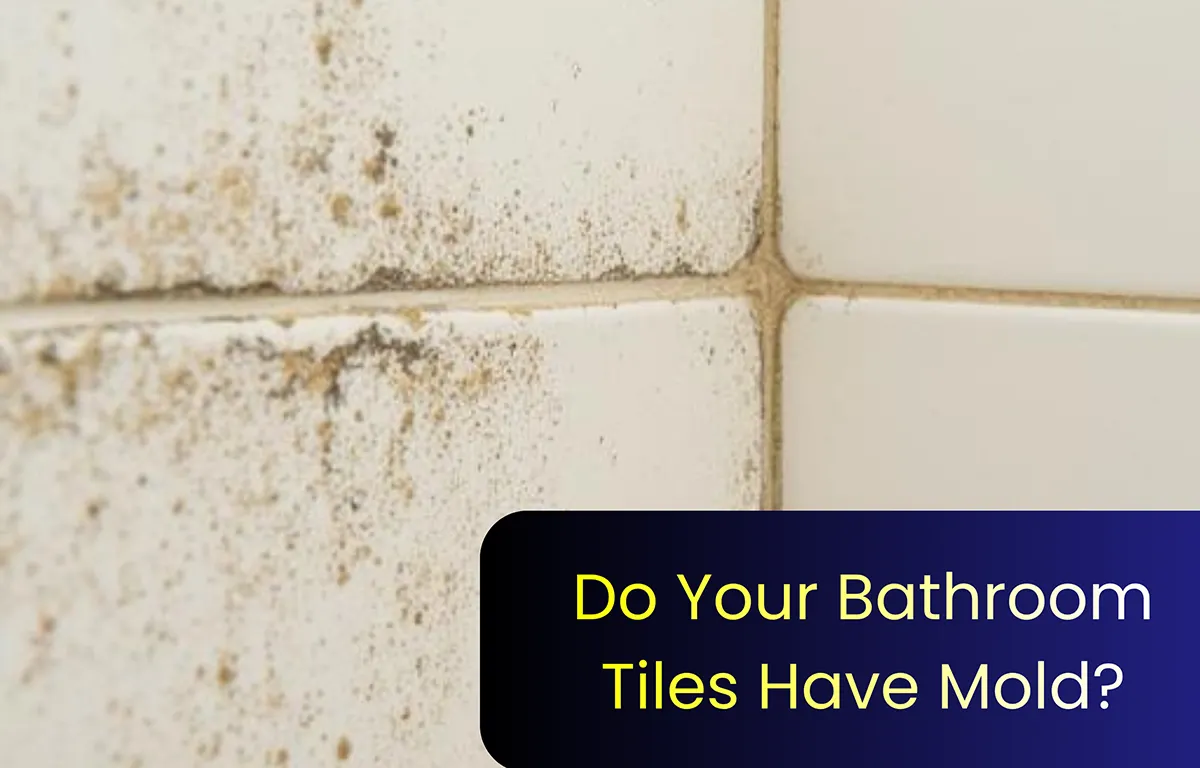
Tile painting is often seen as a way to “seal” a bathroom and prevent mold from returning. That framing is incomplete. A coating can improve the surface, but mold is not a surface-level problem. It is driven by moisture, and whether tile painting works depends entirely on whether moisture is being controlled or covered. Recognizing this helps clarify that surface coatings alone cannot address underlying moisture issues.
A properly applied coating can reduce mold growth at the surface. It cannot stop mold if the conditions that allow moisture to accumulate still exist underneath. That distinction determines whether tile painting becomes a long-term solution or a short-term reset.
What Tile Painting Actually Changes at the Surface
Once moisture is established as the real driver of mold, the next question becomes more specific: What can tile painting actually help with? The answer is narrower than most homeowners assume, but it still matters. A properly applied coating can improve the performance of the exposed surface by making it less absorbent, less contaminated, and less hospitable to growth. That surface-level protection is valuable, especially in bathrooms, but it only works where the coating is intact and fully bonded.
Tile painting can reduce the likelihood of mold forming on the surface itself. It does not mean the entire bathroom system has been protected, but it does show where the coating can make a meaningful difference. The biggest surface-level advantages are easier to understand when broken down into the specific ways the coating changes the tile once it has been applied and cured properly.
- It creates a denser, less absorbent finish:A properly applied coating closes off the worn, irregular surface that older tile can develop over time. That makes it harder for water to linger at the surface of the material, reducing the likelihood that residue will stick.
- It reduces the buildup of residue that mold tends to feed on: Soap film, body oils, and bathroom residue do not disappear, but a smoother coated surface gives them fewer places to collect and hold. That makes routine cleaning more effective and lowers the amount of organic contamination left behind between cleanings.
- It improves resistance where the coating remains continuous: Surface protection only works in the areas the coating fully covers and seals. When the finish is intact, it creates a more controlled barrier that is less hospitable to visible mold growth than a worn, porous, or contaminated tile face.
- It makes surface performance measurable, not just cosmetic: Coatings are not only judged by color or appearance. In controlled testing, their resistance to visible fungal growth can be directly evaluated, helping distinguish a functional coating from a finish that only looks refreshed.
- It does not extend past the surface itself:This is the limit that matters most. The coating can improve the tile face, but it does not control moisture that moves through the grout, collects at seams, or builds up behind the assembly. That is why a painted surface can still look sound while a moisture problem continues underneath.
Why Moisture, Not Material, Determines Mold
At this point, the focus shifts from coatings to conditions. Mold does not depend on tile, grout, or paint. It depends on moisture. Without moisture, growth does not occur. With moisture, growth can begin quickly, regardless of the material.
This is not a matter of interpretation. It is the foundation of how mold is understood in building science and environmental health. The U.S. Environmental Protection Agency states directly in its guidance that “the key to mold control is moisture control.” That statement is not a general recommendation; it defines cause and effect. If moisture is present, mold can develop. If moisture is removed, growth stops.
Applied to tile painting, this sets a clear limit on what a coating can accomplish. Changing the surface material does not remove the condition that allows mold to grow. A coating can reduce surface exposure, but it cannot eliminate moisture that enters through grout, collects at seams, or remains in the air after use. If that moisture is not controlled, the environment that supports mold growth remains unchanged, and the coating alone cannot prevent it.
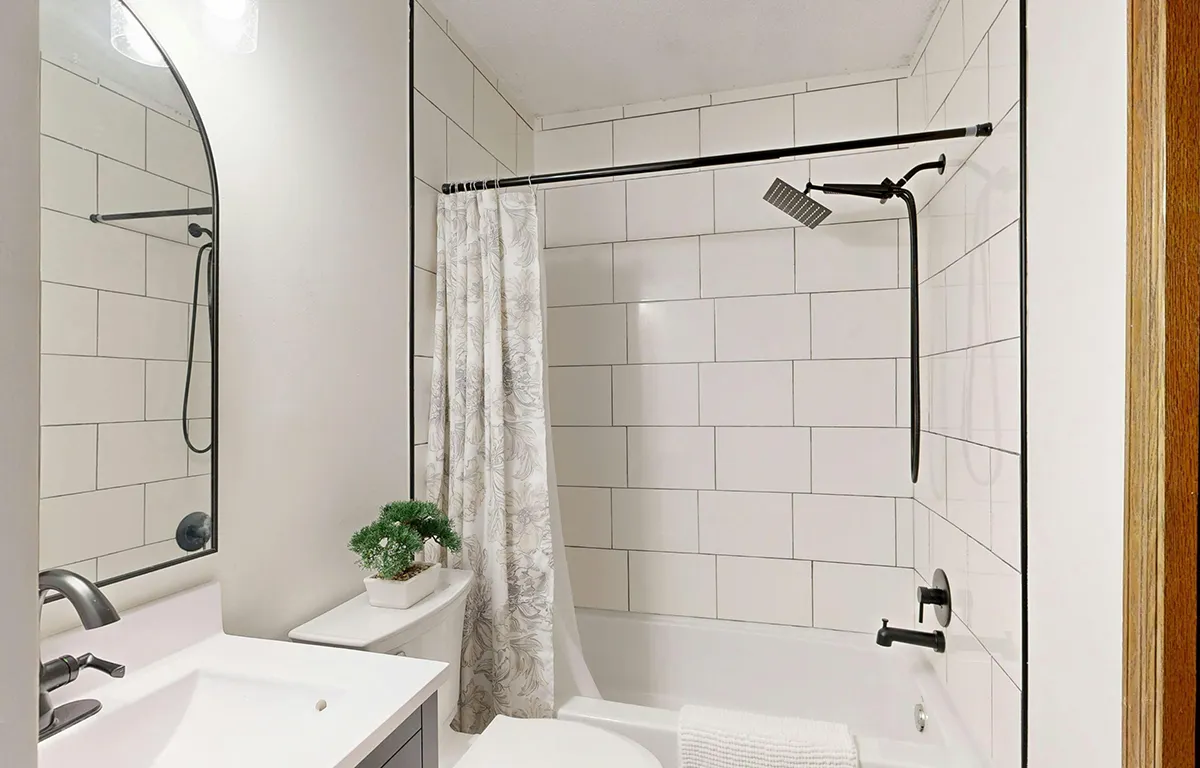
Where Mold Actually Develops, and Why Paint Misses It
One of the most common assumptions in bathrooms is that mold is primarily visible. If it is not on the tile, it is not there. That assumption is what leads people to expect a surface treatment to solve the problem. In bathrooms, mold often grows out of sight, such as behind walls or beneath surfaces. Recognizing these hidden zones helps homeowners and professionals feel more vigilant about unseen moisture and mold risks.
Once moisture reaches those zones, the conditions for growth are already established before any coating is applied. Tile painting only affects the exposed surface. It does not remove trapped moisture or stop water that has already moved behind the tile assembly. That is why a bathroom can be refinished and still develop mold shortly after. The coating may remain intact, but the environment behind it has not changed.
Over time, that hidden growth spreads outward. It appears along seams, edges, or weak points in the coating, creating the impression that the paint has failed. In reality, the failure occurred earlier, when moisture was allowed to persist beneath the surface.
Why Mold Returns After Tile Painting
When mold returns after tile painting, it is often blamed on the product or the application. In most cases, the cause is more consistent and easier to trace. The U.S. Environmental Protection Agency states that mold will return if the underlying moisture source is not corrected, even after cleaning or remediation. That principle applies directly to painted tile. If moisture is still present, the conditions for growth have not changed.
In real bathrooms, that typically comes down to a few repeat issues:
- Grout that allows water entry:Even small cracks or unsealed areas can absorb and hold moisture over time.
- Caulk that has failed or deteriorated:Old caulk traps water at seams and provides a path behind the tile.
- Poor ventilation after use:Steam and humidity remain in the space, allowing moisture to settle into materials rather than evaporate.
Each of these creates a path for moisture to move beyond the surface. Once that happens, the coating can delay the appearance of visible signs, but it cannot stop what is already happening beneath it.
What Tile Painting Cannot Prevent
There are clear limits to what a surface coating can do, and understanding those limits is what distinguishes a lasting result from a temporary one.
Tile painting cannot:
- Stop mold growing behind tile or inside wall cavities
- Correct active moisture intrusion from leaks or saturation
- Compensate for failed waterproofing or consistently high humidity
These are not edge cases. They are the conditions that drive most mold problems in bathrooms. Once moisture exists beyond the surface layer, the coating has no mechanism to control it.
Tile Painting in NJ is not Mold Remediation.
Tile painting can resist mold and mildew on the surface. That is supported by how coatings are tested and how they perform under controlled conditions. It does not prevent mold on its own. Mold is driven by moisture, and if that moisture remains behind or beneath the surface, the conditions for growth remain intact.
The outcome is not determined solely by the paint. It is determined by whether the environment has been well controlled so that mold has nowhere left to grow.